
How Do Porta Potties Work?
The basic unit has three parts: the seat and bowl, the holding tank below, and a blue deodorizing fluid that breaks down waste and cuts smell between services. There's no flush handle on a standard porta potty rental, just a drop chute straight into the tank. A construction worker running to a porta potty at the end of a shift doesn't need water pressure or electricity, that's the whole point of the design. ANSI/PSAI Z4.3 sets the baseline service interval at once a week for up to 10 users over a 40 hour week, though busy sites need more frequent visits. When our truck comes for service, a tech vacuums the tank, rinses the interior, and refills the deodorizer reservoir. Placement matters too. Check the porta potty placement guide before you pick a spot, because ground stability and truck access both affect how a unit gets serviced. If you're planning a job site in Plymouth, the porta potty rental cost page breaks down what affects your price before you even call.
How Do Flushable Porta Potties Work?
A flushable unit adds a small onboard freshwater tank and a hand or foot pump that pushes a rinse of water through the bowl after each use, unlike the chemical-only standard model. That's the core difference in the deluxe flushable porta potty line: fresh water tank, waste tank, and a pump between them, all sealed in the same footprint as a standard unit at about 44 by 48 inches on the ground. The flush doesn't connect to sewer or septic, it just moves water and waste into the same holding tank that gets pumped out on service day. These units run heavier delivery weight, so if you're setting one up on a slope or gravel lot in Plymouth, check the porta potty rental per day rates against a weekly term, since even a two or three day booking benefits from planning delivery access same as a standard unit would. For ADA-compliant flush units with grab bars and a 60 inch turning circle per ADA Standards 304.3.1, see the ADA accessible porta potty page.
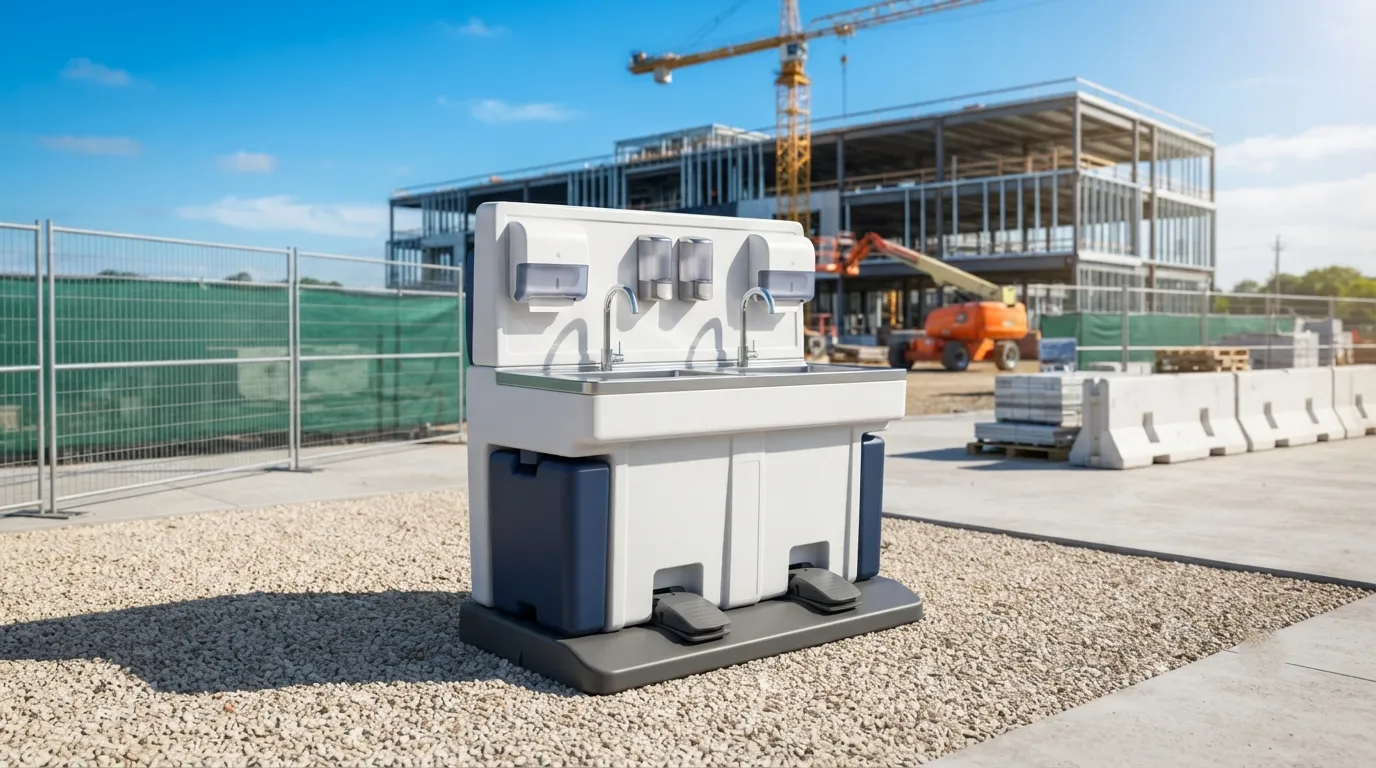
How Does a Portable Sink Work?
A portable sink runs on a self-contained freshwater tank, a foot pump or motion sensor, and a separate gray water tank underneath, so it needs no plumbing hookup at all. Federal rule 29 CFR 1910.141(d)(2) requires soap and towels or a hand-drying device at washing facilities, and hand sanitizer alone does not satisfy that standard. That's why a proper handwashing station rental always includes a soap dispenser and paper towel holder built into the unit, not just a sanitizer pump. For crews doing painting, coating, or pesticide work, OSHA 1926.51(f)(1) specifically requires washing facilities for that contaminant exposure, separate from general sanitation rules. If you're not sure how many stations your crew needs, the handwashing requirements page walks through the numbers, and the portable sink rental page covers unit sizes. Some Plymouth job sites near Minnetonka, about 7.2 miles south, pair a sink with a hand sanitizer station rental as a supplement, not a substitute, for compliance.
Why Do Porta Potties Smell, and How Are They Cleaned?
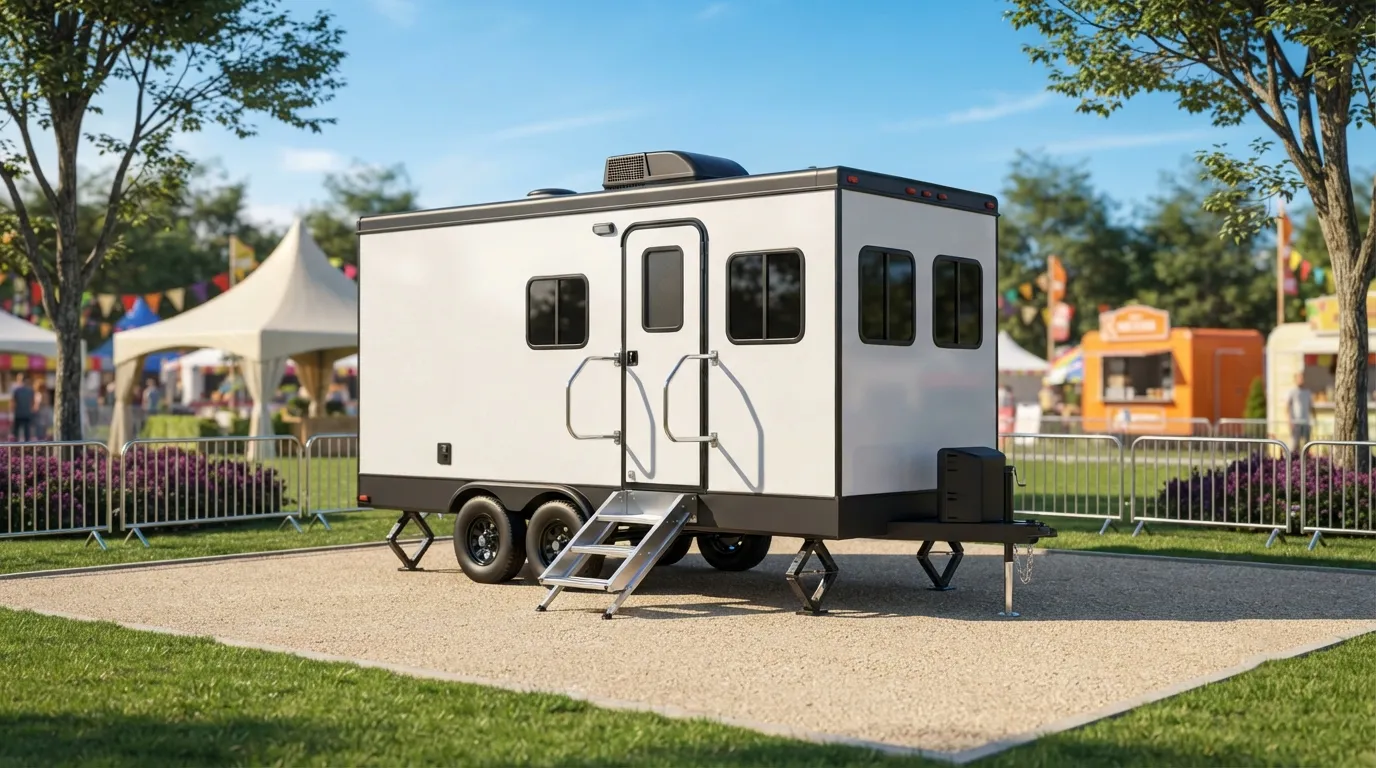
Odor comes from bacteria breaking down waste in the tank, and it's controlled with a blue deodorizing chemical, not eliminated by the toilet design itself. Porta potty chemicals near you typically include a biocide and fragrance blend that a service tech tops off during each visit. The full answer on service frequency lives on how often are porta potties cleaned, and the smell question specifically gets its own page at do porta potties smell. Camping porta potties work the same way as job site units, just smaller and sometimes towable, which matters for weekend trips near Plymouth parks. For winter rentals, the deodorizer chemistry changes since standard fluid can freeze; see porta potty in winter for that detail. Compare rental terms below.
| unit | duration | typical price |
|---|---|---|
| standard | day | $150 |
| standard | week | $200 |
| standard | month | $200 |
| deluxe | week | $250 |
| ada | week | $185 |
Monthly and weekly standard rental pricing lands close together, but a single day rental costs less overall, so match the term to your actual job length. Full breakdowns are on monthly porta potty rental and porta potty rental cost.
How many porta potties does a construction site need?
OSHA 1926.51(c)(1) sets the ratio: one toilet for 20 workers or fewer, then one toilet and one urinal per 40 workers beyond that. A 15-person crew in Plymouth needs one unit under that rule. See how many porta potties do I need for calculating larger crews.
Do porta potties need water to work?
No. Standard units use a chemical deodorizer instead of water, which is why they work on sites with no utility hookup. Flushable models carry their own small freshwater tank onboard, separate from any building supply.
What chemicals go in a porta potty?
A blue biocide and deodorizer blend breaks down solid waste and masks odor between services. Techs add it fresh at every service visit, and it's rated for the tank size on standard and deluxe units alike.
Can I rent a porta potty for a weekend event?
Yes, weekend rates apply for short events like weddings or festivals. Check event restroom rental or wedding restroom rental for term-specific setups, since weekend pricing differs from day or week rates.
How does a portable toilet get serviced?
A technician vacuums the holding tank, rinses the interior, and refills both the deodorizer and, on flush models, the freshwater reservoir. Standard visits follow a set schedule, though emergency porta potty rental covers off-cycle needs.
Next step
Get a delivery date
Tell us the address, the dates and the headcount. We size the order and confirm the route.