
How Much Does Septic Tank Pumping Cost?
Pricing for septic pumping service in Plymouth sits in the 150 to 300 dollar range for a standard day-rate visit, based on tank size, sludge depth, and how far the truck has to reach the access lid. A 1,000 gallon septic tank pumping job on flat, open ground with an exposed lid costs less than one buried under landscaping, because digging adds labor time before the truck even starts pulling waste. Weekend calls run higher, generally 50 to 150 dollars over a weekday rate, since crews reroute from scheduled routes to reach you. Homes with a tank size and household size that push pumping intervals to the 3-year mark instead of 5 will naturally spend more over a decade, simply from frequency. If you are not sure which end of that range applies, our septic tank cleaning page breaks down what drives the visit up or down before we ever quote a number.
What Affects Septic Tank Cleaning Prices?
Four things move the price: tank size, solids buildup, access difficulty, and distance from Plymouth. A tank that has gone past its 3 to 5 year pumping window usually holds more compacted solids, and that adds time on site. Grease and fat buildup matters too. A grease interceptor gets pumped once fats, oils, grease, and solids reach 25 percent of the liquid depth, and a neglected residential tank can approach a similar problem if kitchen waste runs heavy. Homes in Plymouth pay standard local rates, while jobs farther out, say near Eden Prairie at 12.8 miles south, or Brooklyn Center at 12.0 miles northeast, may carry a modest travel adjustment. Riser height, buried lids, and vehicle clearance around the tank all factor in before the crew arrives. If your system has never been mapped, the septic tank warning signs page covers what slow drains and soggy yard patches actually mean before it becomes an emergency call.
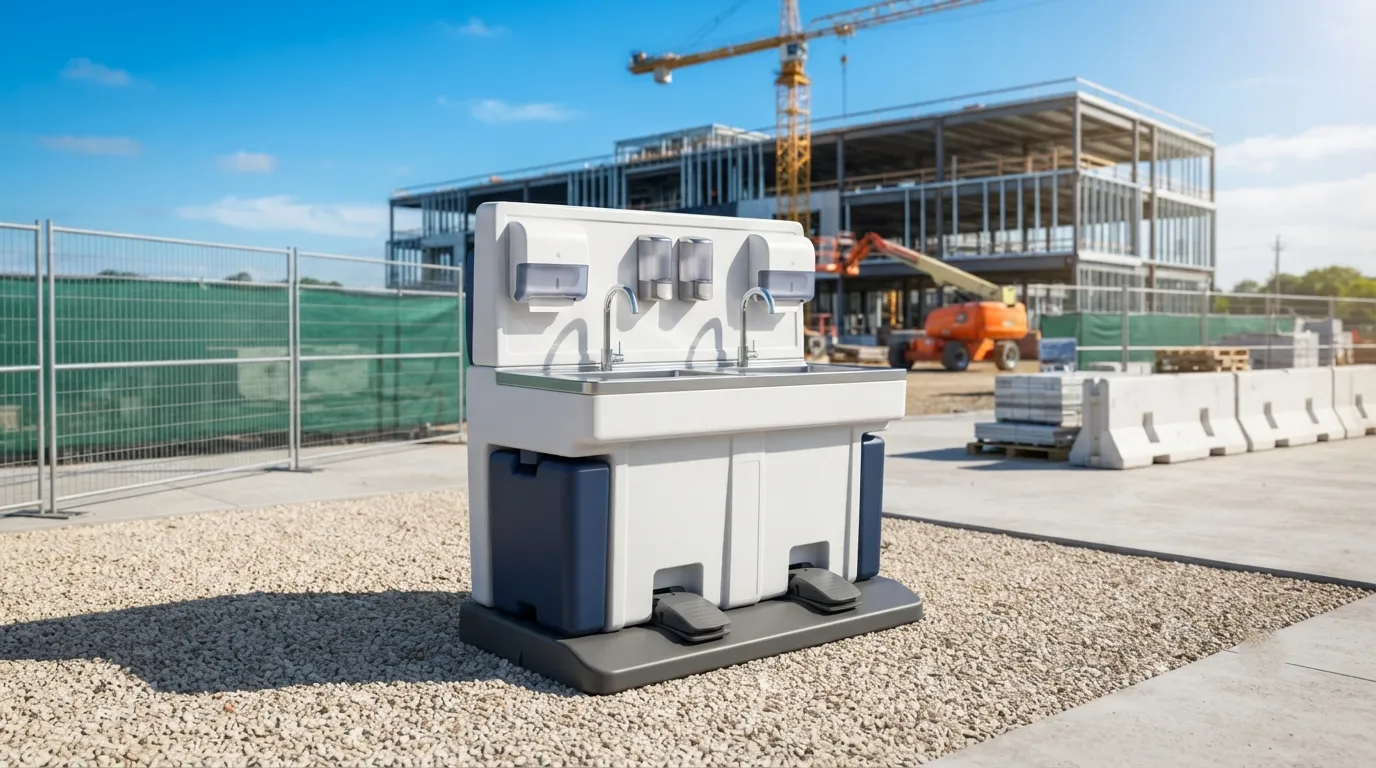
Septic Pumping Cost Table
| service | duration | low | typical | high |
|---|---|---|---|---|
| septic pumping | day | 150 | 250 | 300 |
| septic pumping | weekend | 50 | 100 | 150 |
These numbers reflect standard residential jobs. Commercial accounts, including grease trap pumping for restaurants, run on a different schedule tied to volume rather than the household calendar. If your property needs a temporary tank instead of a pump-out, a holding tank rental is priced separately and is not part of this table.
How Often Should a Septic Tank Be Pumped?
Most residential systems need pumping every 3 to 5 years, and that range depends on tank size relative to how many people live in the house. A larger household pushes solids into the tank faster, shortening the interval, while a smaller household with a properly sized tank can sometimes stretch closer to 5 years. Waiting past that window risks solids reaching the drain field, which turns a routine pump-out into a repair bill. Our how often to pump a septic tank guide walks through how to estimate your own interval based on tank gallons and occupancy. Plymouth homes on older systems, especially those without recent service records, should schedule an inspection rather than guess. If a tank has gone unserviced for years, expect the crew to spend more time on-site simply clearing accumulated solids before the tank returns to a normal maintenance cycle. Emergency backups do happen, and if a tank overflows before a scheduled visit, our emergency septic service line handles those calls outside the routine booking window.
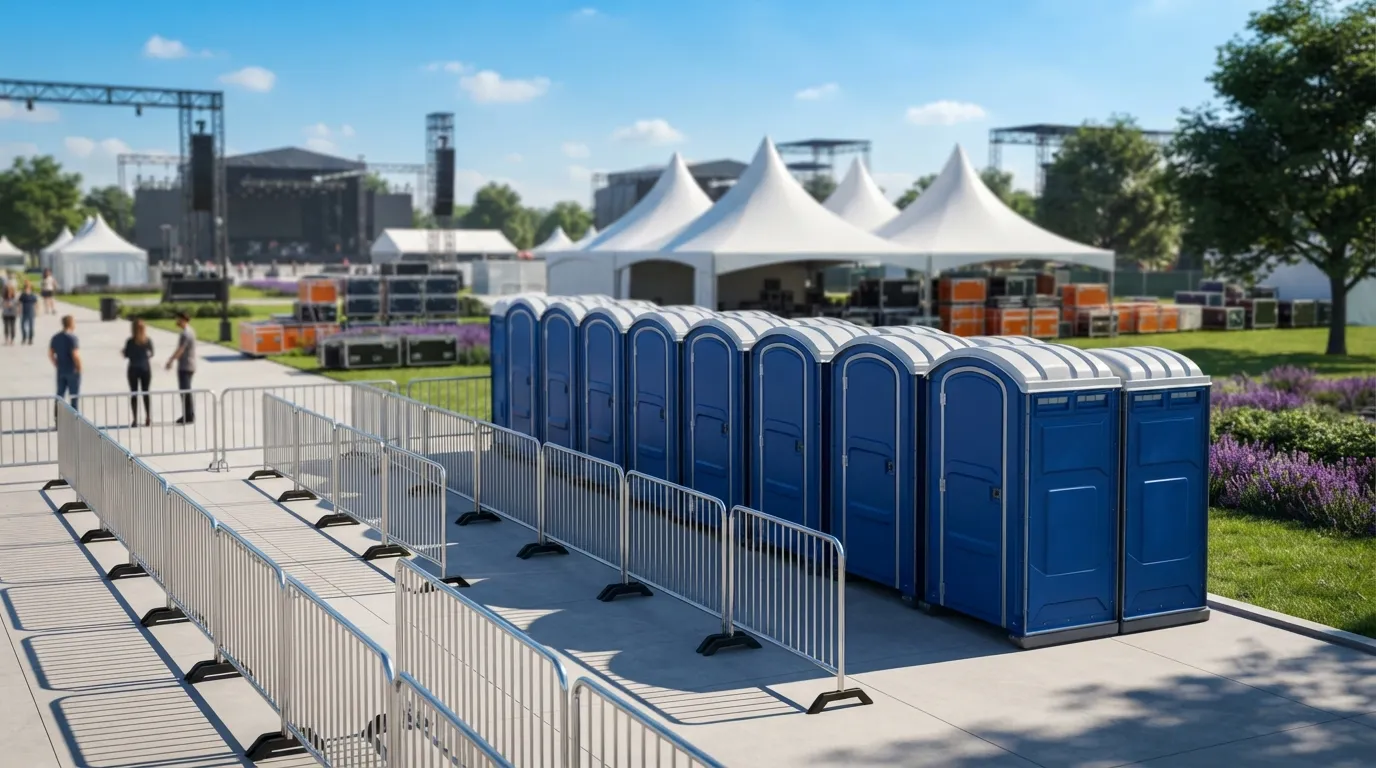
Is Septic Pumping Cheaper Than Waiting for a Repair?
Yes. A routine pump-out priced in the 150 to 300 dollar day-rate range is far less than replacing a drain field damaged by solids overflow, which is what happens when a tank goes unpumped for too long. Regular service on a 3 to 5 year cycle keeps the system working as designed and avoids the kind of failure that shows up as standing water or backed-up drains. Plymouth homeowners comparing a single pumping invoice against a drain field replacement quote usually find the math settles the question fast. If you are budgeting ahead of a home sale or renovation, pairing a pump-out with a septic tank cleaning inspection gives you a paper trail buyers and inspectors want to see. For properties that also run portable sanitation during a renovation, our home renovation porta potty options keep a jobsite functional while plumbing work is underway, and a portable sink rental covers handwashing needs alongside it, consistent with 29 CFR 1910.141(d)(2) requirements for soap and drying facilities on a worksite.
Construction crews working near a septic line sometimes need broader jobsite support too. A construction dumpster rental handles demolition debris, and a temporary fence rental keeps an open excavation secured while the tank is exposed for service. For larger commercial properties near Plymouth, comparing quotes against porta potty rental cost and septic tank pumping cost side by side helps when budgeting a full site services package rather than booking each vendor separately.
How much does a 1,000 gallon septic tank pumping cost?
A 1,000 gallon tank falls within the standard day-rate range of 150 to 300 dollars, with the exact price set by sludge depth, access difficulty, and how recently it was last serviced. Tanks pumped on schedule cost less than ones with years of buildup.
How do I find septic tank pumping cost near me in Plymouth?
Request a quote through Plymouth Porta Pros with your tank size and last pump-out date. Pricing depends on access and solids volume, so a phone estimate is rough until a crew confirms the tank on-site.
Does household size change septic tank cleaning prices?
Not directly, but it changes how often you need service. Larger households fill tanks faster, shortening the 3 to 5 year interval, which means more frequent invoices over time even if each visit costs the same.
Can I schedule septic pumping on a weekend?
Yes, weekend service is available and runs 50 to 150 dollars over the standard weekday rate. Weekday appointments cost less because they fit the regular route schedule instead of requiring a special trip.
What happens if I skip a scheduled pumping?
Solids build past the safe threshold and can migrate into the drain field, which causes slow drains, backups, or standing water in the yard. At that point repair costs run well past a routine pump-out invoice.

Next step
Get a delivery date
Tell us the address, the dates and the headcount. We size the order and confirm the route.