
How many units do I actually need?
Start with your headcount and the job length. For a construction crew of 20 or fewer, OSHA 1926.51(c) sets the baseline at one toilet facility. Add a seat and a urinal per 40 workers once you climb past 20, and one per 50 once you hit 200 workers or more. Events run differently. A wedding or a festival needs units scaled to guest count and bar service, not crew size, so check the how many porta potties do I need guide before finalizing a count. Farms and hand-labor crews fall under a separate rule: OSHA 1928.110 calls for one facility per 20 employees, reachable within a quarter mile. Plymouth Porta Pros will run these numbers against your site plan and tell you whether a standard unit covers it or you need a restroom trailer instead.
What size and type of unit fits the job?
A standard portable toilet holds a 60 to 70 gallon tank and sits about 44 by 48 inches on the ground, standing roughly 92 inches tall. That footprint matters for tight lots in Plymouth where a fence line or a driveway eats into your staging area. If guests expect a sink and flush handle, step up to a deluxe flushable unit. For accessibility, ADA Standards 213.2 requires at least 5 percent of clustered units to be accessible, with a minimum of one, and the accessible unit needs a 60 inch turning circle under ADA Standards 304.3.1 plus a 32 inch clear door opening per ADA Standards 404.2.3. Larger events in Plymouth often mix standards with a 4 stall or 8 stall trailer so guests are not queuing behind a single door.
| unit | day | week | month |
|---|---|---|---|
| standard | 100-350 | 130-500 | 125-325 |
| ada | 200-400 | 120-240 | - |
| deluxe | 85-1200 | 150-290 | - |
Weekend rates run separately from the day and week columns above; a standard unit on a weekend typically lands between 125 and 400 dollars depending on the site. Compare durations before you commit using the porta potty rental per day page or the monthly porta potty rental breakdown if the job runs long.
Where should units be placed on site?
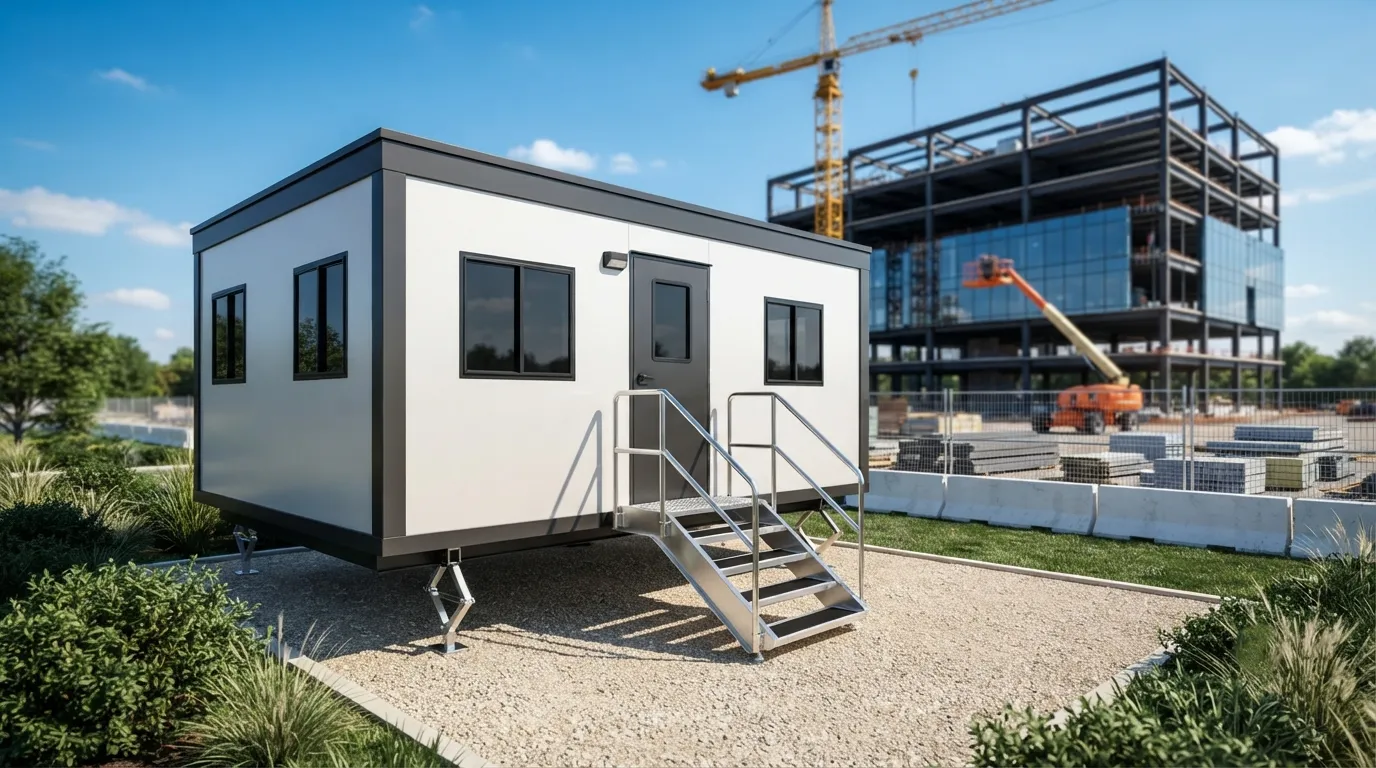
Placement decides whether your rental passes inspection or gets flagged. Every unit needs a stable, firm, slip-resistant surface under ADA Standards 302.1, which rules out soft turf or loose gravel for accessible units. The accessible route to any unit needs a 36 inch clear width per ADA Standards 403.5.1, and door hardware has to operate with one hand and no more than 5 pounds of force under ADA Standards 309.4. If your site has a grade change, a ramp serving the unit cannot run steeper than 1:12 per ADA Standards 405.2. Plymouth sites near a public right of way should confirm placement rules directly with the city before delivery day; that detail is not something to guess at. For roll-off dumpsters delivered alongside your restrooms, Plymouth Porta Pros needs about 60 feet of straight clearance behind the truck, so map your driveway and curb cuts ahead of time. Construction sites juggling temporary fencing and light towers should plan restroom placement into that same layout, not as an afterthought.
How often do units need servicing?
The industry baseline under ANSI/PSAI Z4.3 is one service visit per week for up to 10 users across a 40 hour week. Busy events, food vendors or multi-week construction jobs need more frequent visits, and Plymouth Porta Pros adjusts the schedule once actual usage is clear. Handwashing matters here too: 29 CFR 1910.141(d)(2) requires soap and towels or a hand-drying device at wash stations, and hand sanitizer alone does not satisfy that. If your crew is applying paints, coatings, herbicides or insecticides, OSHA 1926.51(f)(1) kicks in specifically for that work and requires washing facilities beyond a sanitizer station. Pair a portable sink or handwashing station with your toilets rather than treating them as separate line items, since most Plymouth job sites and events need both delivered together. If you are running septic service alongside portable units, a typical residential tank gets pumped every 3 to 5 years, and grease interceptors get pumped once fats, oils, grease and solids reach 25 percent of liquid depth. Check how often to pump a septic tank for that side of the job.
Do I need a permit for a porta potty in Plymouth?
It depends on placement. Units on private property for a private job usually do not trigger a permit, but anything touching a public right of way, sidewalk or street needs confirming with the city first. Check the porta potty permit requirements page before delivery day.
How far in advance should I book?
Two weeks covers most standard jobs in Plymouth. Weekend events and large festivals fill delivery slots faster, so book a month out if you can. Emergency same-day delivery is available through emergency porta potty rental when plans change.
What is the difference between a porta potty and a restroom trailer?
A standard porta potty is a single stall with no plumbing hookup. A restroom trailer has multiple stalls, running water and often climate control, built for weddings or longer events where guest comfort matters more than a bare-bones unit.
Can I rent just one unit for a weekend project?
Yes. A single standard unit works for home renovation jobs, small backyard events or a one-day cleanup. Check home renovation porta potty rentals for details on short residential jobs.
Does winter change anything on this checklist?
Cold weather changes servicing needs and tank treatment. Freezing temperatures can affect flush mechanisms on deluxe units, so read porta potty in winter before booking a cold-season delivery in Plymouth.
Next step
Get a delivery date
Tell us the address, the dates and the headcount. We size the order and confirm the route.